
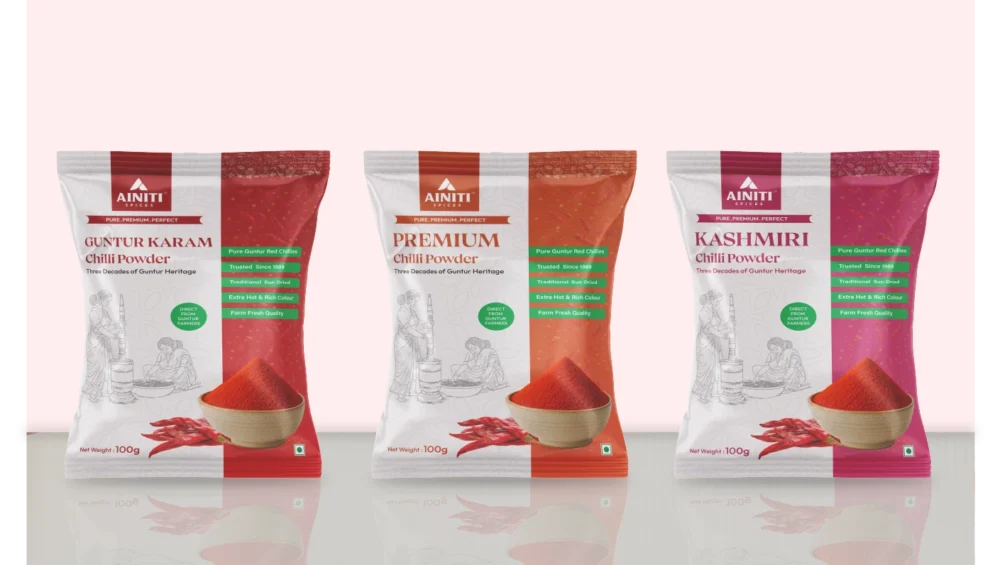
Mastering Heat: A Chef’s Guide to Using Different Chilli Powder Varieties
Not all chilli powders are created equal—and understanding the differences can transform your cooking from good to exceptional. Whether you’re a home chef or running a professional kitchen, this guide will help you master the art of heat.
Understanding the Three Main Varieties
Before diving into techniques, let’s clarify what makes each variety unique:
Guntur Karam: The Heat Champion
- Heat Level: Very Hot (40,000-50,000 SHU)
- Color: Premium Deep red
- Flavour Profile: Intense, sharp heat with earthy undertones.
- Best Applications: Traditional South Indian dishes, pickles, hot sauces
Kashmiri: The Flavour Colour Star
- Heat Level: Mild (1,000-2,000 SHU)
- Color: Vibrant bright red (ASTA 250+)
- Flavour Profile: Subtle warmth with slight sweetness.
- Best Applications: Tandoori dishes, biryanis, visual appealing, Flavourful recipes.
Premium Blend: The Versatile All-Rounder
- Heat Level: Medium (15,000-25,000 SHU)
- Color: Visually appealing Rich red
- Flavour Profile: Balanced heat with complex aromatics
- Best Applications: Universal use, everyday cooking, fusion cuisine
Matching Chilli Powder to Cooking Methods
Different cooking techniques require different considerations:
Dry Roasting (Tempering/Tadka):
- Best Choice: Guntur Karam or Premium
- Why: High heat activates oils without burning
- Technique: Add to hot oil for 10-15 seconds, immediately add other ingredients.
- Pro Tip: Remove pan from heat briefly to prevent scorching ingredients.
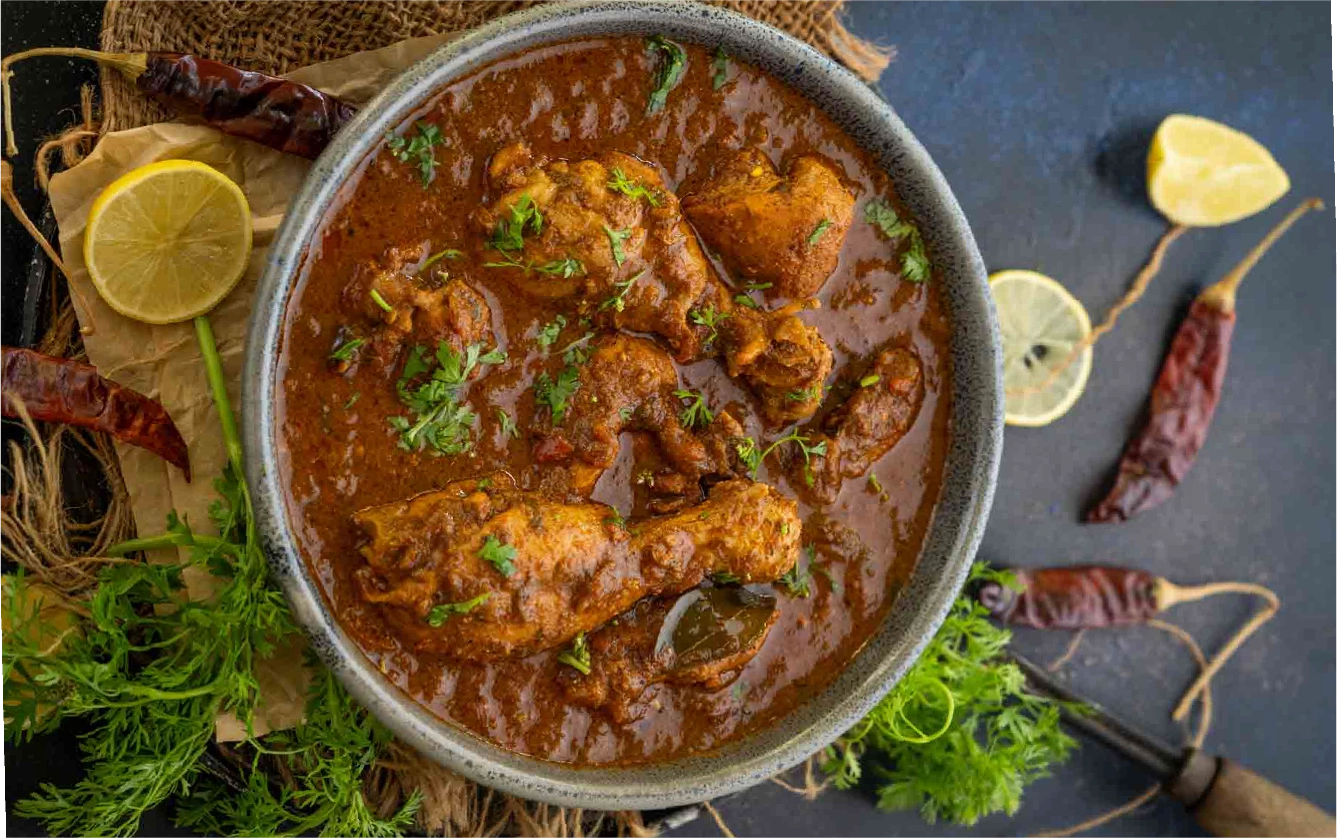
Long Simmering (Curries, Stews):
- Best Choice: Any variety, depending on desired heat
- Why: Extended cooking mellows heat, scorching heat and develops depth heat.
- Technique: Add early in cooking process for integrated cooking flavour.
- Pro Tip: Kashmiri works beautifully for rich color flavour without overwhelming heat.
Quick Sautés (Stir-fries):
- Best Choice: Premium blend
- Why: Balanced flavor, heat doesn’t overpower vegetables.
- Technique: Add mid-cooking to coat ingredients evenly
- Pro Tip: Reduce heat slightly when adding to prevent burning.
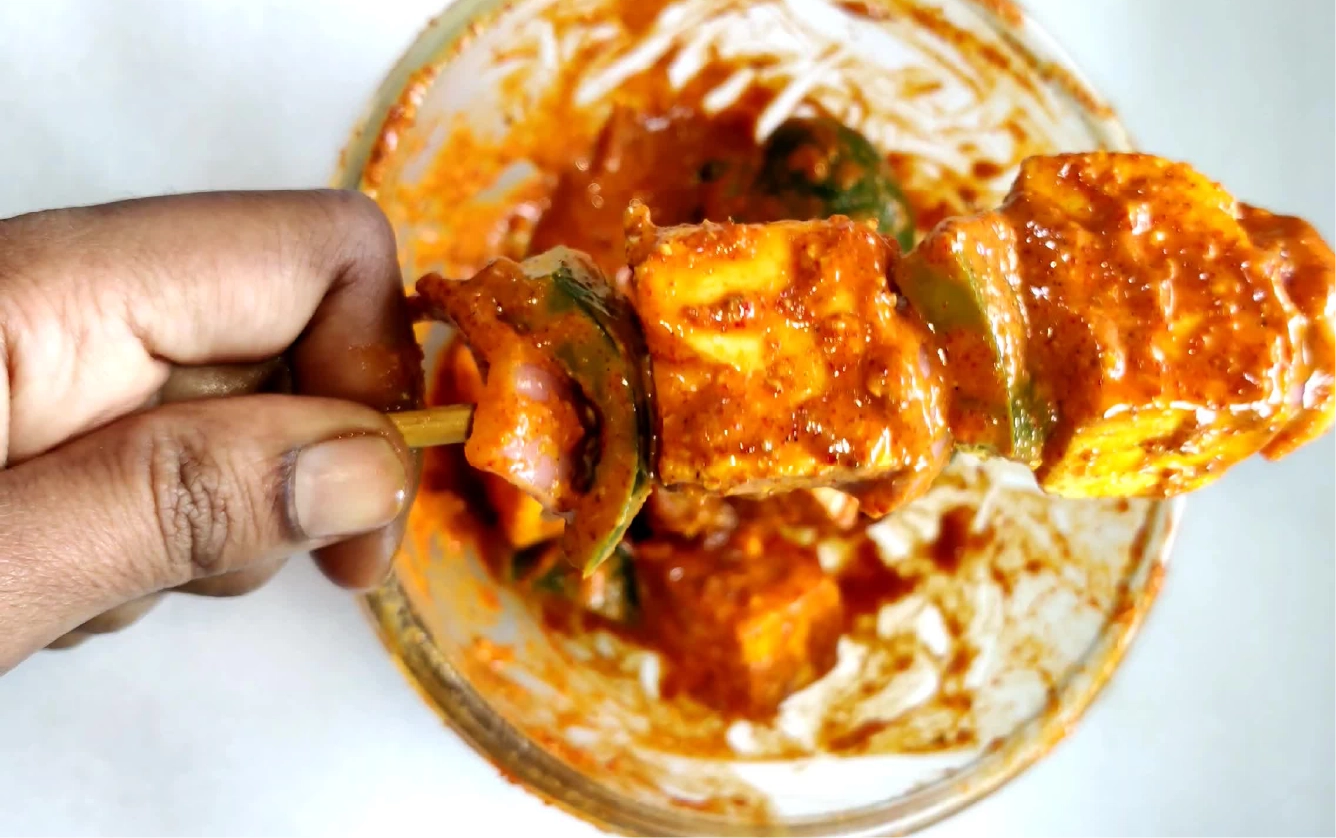
Marinades:
- Best Choice: Kashmiri for color, Guntur Karam for heat
- Why: Time allows flavors to penetrate the protein.
- Technique: Mix with yogurt or oil base, apply 2–24 hours before cooking.
- Pro Tip: Combine varieties for both color and heat
Finishing Touch:
- Best Choice: Kashmiri for visual appeal
- Why: Adds vibrant color without additional heat
- Technique: Sprinkle over finished dish as garnish
- Pro Tip: Mix with a few drops of oil for even color distribution
Professional Kitchen Tips
1) Blooming for Maximum Flavor Heat releases essential oils and develops complex flavors.
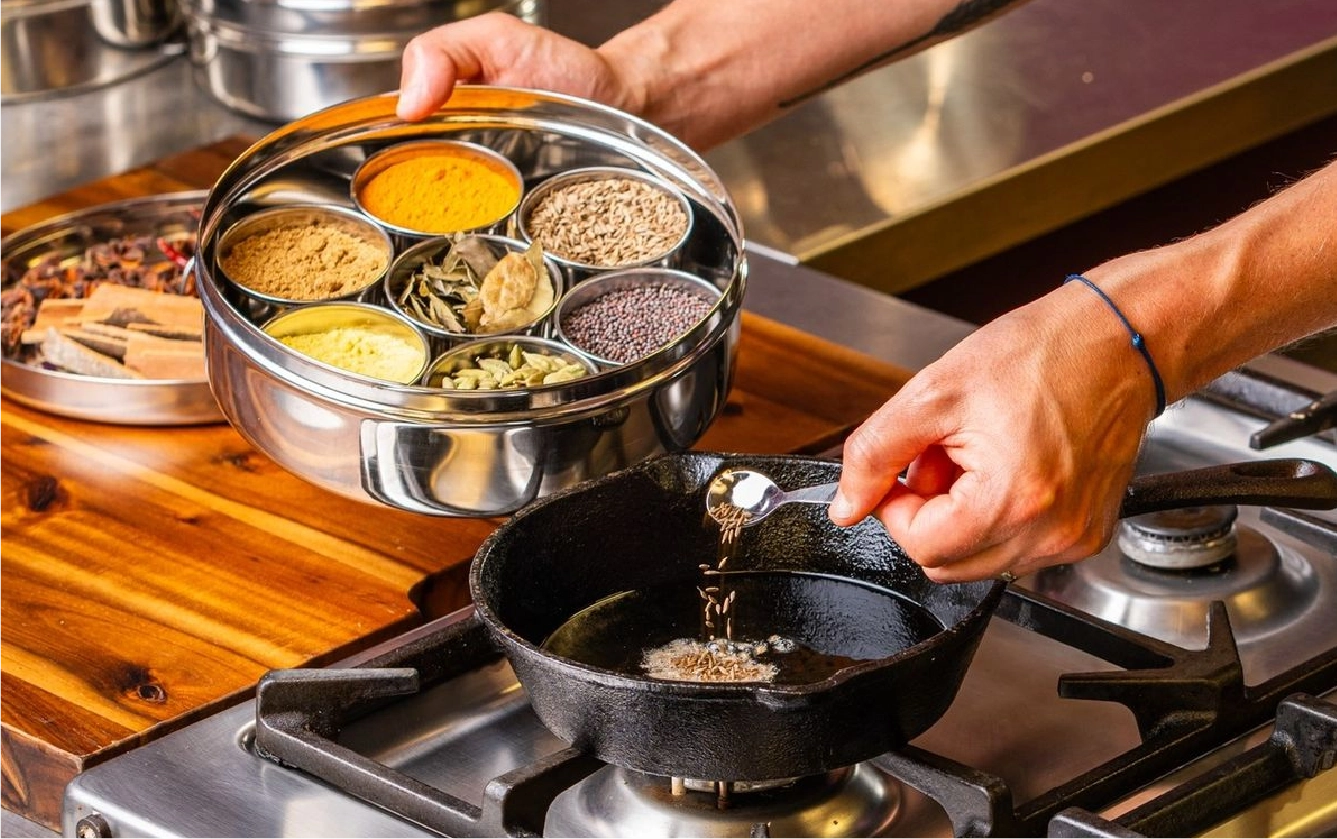
- Heat oil or ghee to medium temperature.
- Add chilli powder
- Stir constantly for 15-30 seconds
- Immediately add liquid or other ingredients
2) Preventing Bitterness Burnt chilli powder tastes acrid and ruins dishes
- Never add to smoking-hot oil
- Remove from direct heat when blooming
- Add liquid quickly if powder darkens
- Use fresh powder (loses potency after 6 months)
3) Balancing Heat in Recipes Too much heat? Recovery strategies:
- Add dairy (yogurt, cream, coconut milk)
- Increase bulk ingredients (vegetables, proteins)
- Balance with acid (lime juice, tamarind)
- Add sweetness (jaggery, sugar) sparingly.
4) Creating Custom Blends Professional chefs often combine varieties:
- 70% Kashmiri + 30% Guntur Karam = High color, moderate heat.
- 50% Premium + 50% Kashmiri = Balanced, visually appealing
- Custom ratios for signature dishes
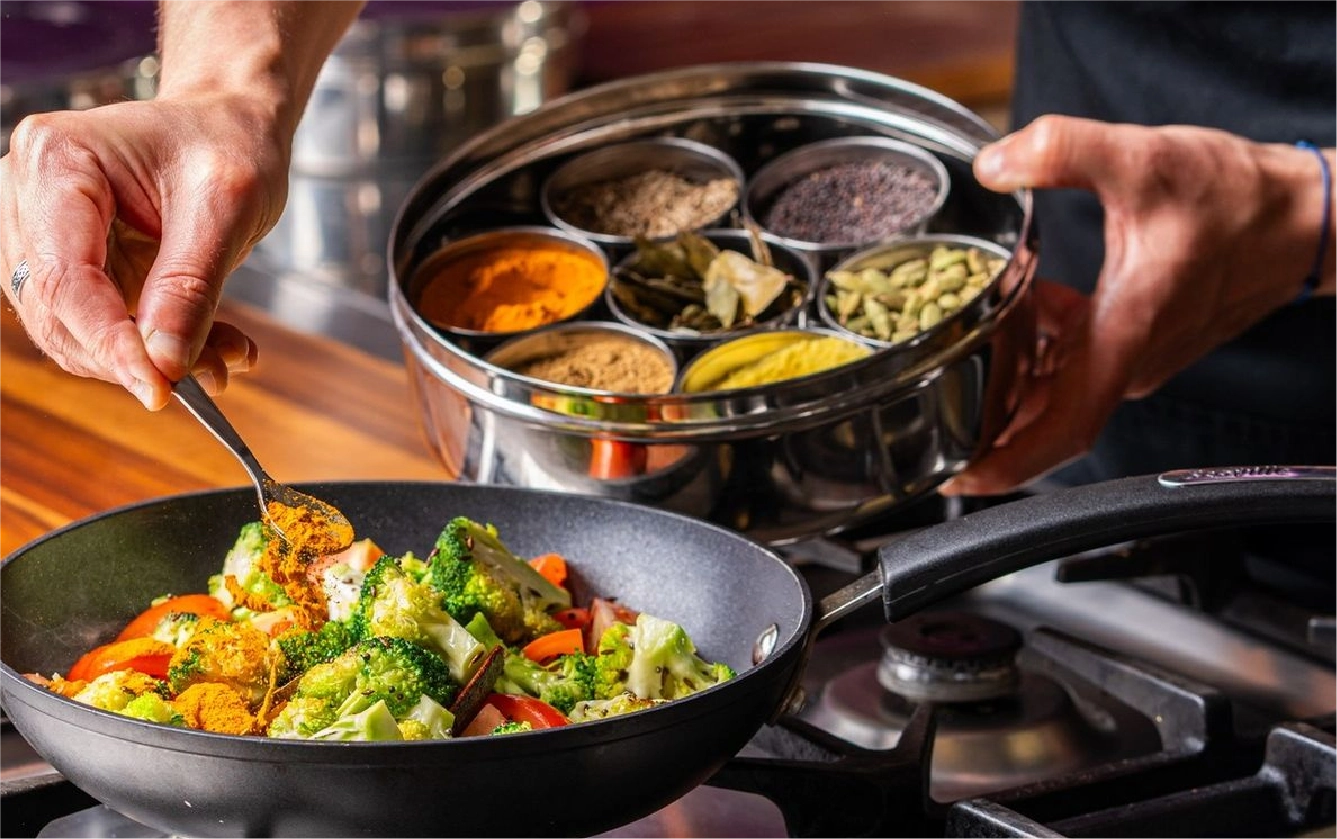
Storage and Freshness
Proper storage preserves quality
Optimal Conditions:
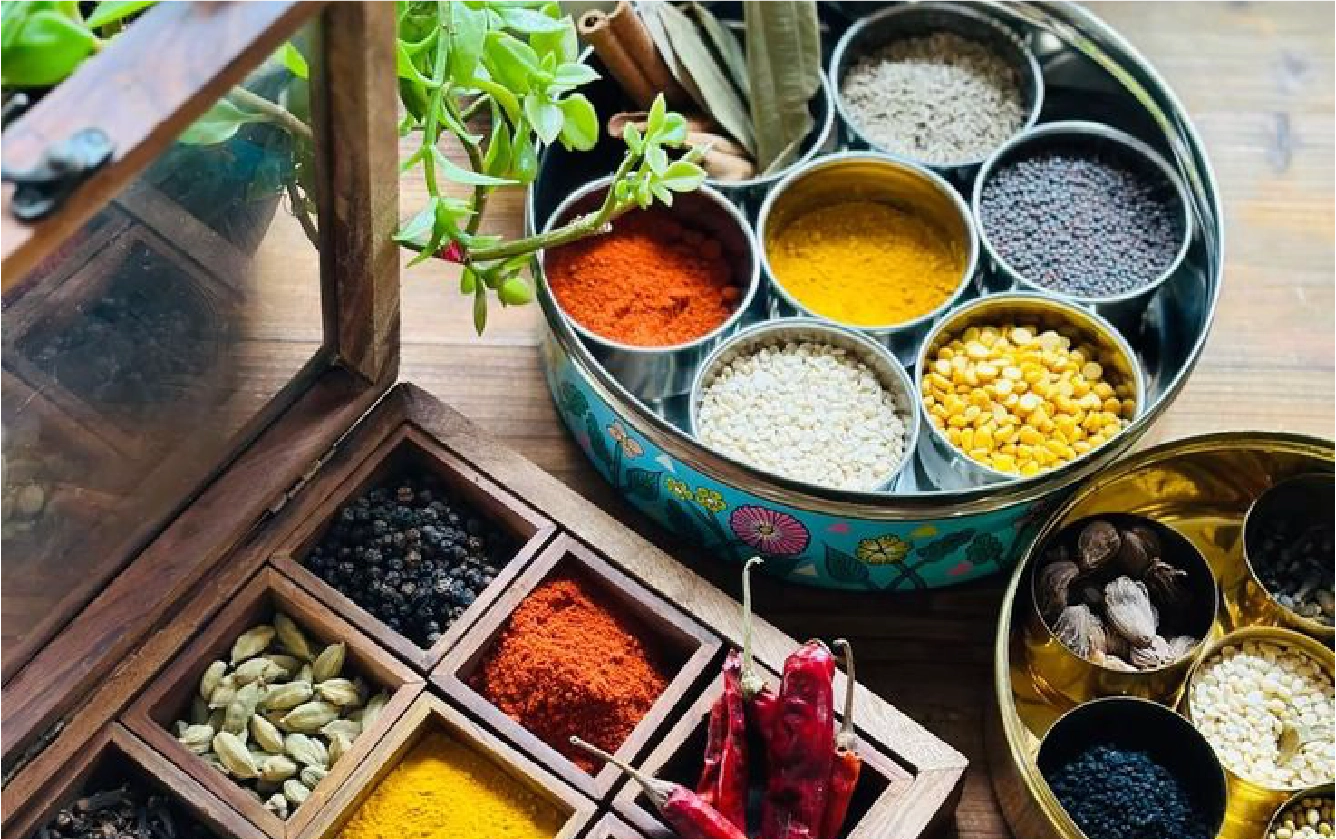
- Airtight containers (glass or food-grade plastic)
- Cool, dark location (not above stove)
- Away from moisture
- Label with purchase date
Freshness Indicators:
- Fresh: Vibrant color, strong aroma when opened, clumps easily when pressed.
- Degraded: Faded color, weak smell, free-flowing/dusty texture.
Shelf Life:
- Unopened: 18-24 months
- Opened: 6-12 months for optimal quality
- Professional kitchens: Replace every 3-6 months for consistency
Common Mistakes to Avoid
Using Old Chilli Powder
Impact: Weak flavor, faded colour, requires more powder, throwing off recipe balance.
Solution: Buy in quantities you’ll use within 6 months.
Adding Too Early to Oil
Impact: Burns before other ingredients are added.
Solution: Prepare all ingredients before heating oil.
Substituting Varieties Without Adjustment
Impact: Either too mild or overwhelmingly hot.
Solution: Understand heat ratios when substituting.
Storing in Clear Containers
Impact: Light degrades colour and potency.
Solution: Use opaque containers or a dark storage location.
Not Accounting for Heat Build-Up
Impact: The dish seems mild while cooking but overpowering when eaten.
Solution: Taste conservatively during cooking; heat intensifies.
Recipe Adaptations by Variety
Converting Recipes:
If a recipe calls for Generic “chilli powder”:
- For mild heat: Use Kashmiri Chilli Powder in a 1:1 ratio.
- For medium heat: Use Premium Chilli Powder in a 1:1 ratio.
- For hot heat: Use Guntur Karam at 50–75% of the recipe amount, depending on your spice preference.
If a recipe calls for “cayenne pepper”:
- Our Premium Blend is the closest match.
- Adjust the quantity to taste, as cayenne heat levels can vary.
If a recipe calls for “paprika”:
- Use Kashmiri Chilli Powder for similar color with minimal heat.
- Use the same amount or slightly less, based on desired flavor.
Building Heat Tolerance
For customers new to spicy food:
Progressive Introduction:
- Start with Kashmiri for color, the same colour without intensity
- Graduate to Premium colour premium blend for balanced heat
- Introduce Guntur Karam gradually in small amounts
Education Opportunities:
- Menu descriptions indicating heat levels.
- Sample tasting options
- Heat scale indicators (●●●●● system)
Professional Kitchen Efficiencies
Batch Preparation:
- Pre-measure daily requirements
- Create house blend ratios
- Label and date all containers
- Train staff on proper handling
Quality Control:
- Consistent suppliers (like Ainiti) ensure batch-to-batch reliability.
- Test new shipments before full integration
- Document adjustments needed for recipe consistency
Cost Management:
- Premium specifications reduce waste from rejected batches.
- Proper storage extends usable life
- Accurate measurements prevent over‑use.
The Science Behind the Heat
Understanding capsaicin helps you cook smarter:
Why Dairy Works:
- Casein protein binds to capsaicin molecules.
- Washes away the burning sensation
- More effective than water
Why Oil Carries Heat:
- Capsaicin is fat-soluble, not water-soluble.
- Distributes evenly throughout the dish
- Allows better coating of ingredients
Why Heat Intensifies:
- Cooking concentrates capsaicin. Capsaicin in liquid evaporates.
- Oils carrying heat coat the mouth more effectively.
- Time allows heat to penetrate ingredients.
Signature Dish Development
Creating a unique recipe:
- Choose your base variety: Heat level and color goals
- Bloom properly: Develop a full flavour profile
- Balance supporting ingredients: Acids, fats, sweetness
- Test and adjust: Heat perception varies
- Document ratios: Ensure replicability.
The Ainiti Advantage in Your Kitchen
Consistent specifications mean:
- Recipes work the same way every time
- Staff training remains relevant.
- Customer expectations are met
- Food costs stay predictable
Whether you’re perfecting Grandmother’s curry recipe or developing a new menu item, understanding your chilli powder empowers better cooking decisions.
Questions about which variety suits your cooking style? Our culinary team is available to discuss your specific needs and recommend the perfect match.