

From Farm to Facility: The Ainiti Quality Journey
Quality doesn’t happen by accident—it’s the result of deliberate choices at every stage. At Ainiti Spices, our 40-year journey has taught us that exceptional chilli powder begins long before grinding and ends long after packaging.
Stage 1: Farmer Partnerships (The Foundation)
Our story begins in the fields of Guntur, where relationships span generations.
Selecting Partner Farms:
We don’t work with just any farmer. Our partnerships require:
- Proven Track Record: Minimum 5 years of consistent quality production
- Sustainable Practices: Water conservation, soil health management, integrated pest management
- Ethical Labor: Fair wages and safe working conditions
- Quality Commitment: Willingness to follow our cultivation guidelines
Current Network:
- 50+ contracted farmers
- 2,000+ acres under cultivation
- 3 primary growing regions within Guntur district
- Average partnership duration: 12+ years
What Makes Our Partnerships Different:
Unlike commodity traders who buy from anyone at the lowest price, we invest in relationships:
- Pre-Season Planning: We meet with farmers before planting to discuss variety selection, expected yields, and pricing.
- Technical Support: Our agronomists provide guidance on optimal practices
- Fair Pricing: Guaranteed minimum prices above market rates, with quality bonuses.
- Long-term Contracts: Multi-year agreements provide farmer income stability.
Impact on Quality:
When farmers know they have a committed buyer willing to pay premium prices for premium quality, they invest in:
- Better seed varieties
- Proper irrigation systems
- Optimal harvest timing
- Careful post-harvest handling
This isn’t just good ethics—it’s good business. Happy, stable farmers produce better chillies
Stage 2: Harvest Selection (The Critical Moment)
Timing is everything in chilli cultivation.
Optimal Harvest Indicators:
- Color stability: Deep red throughout
- Moisture content: 10–12% for best preservation
- Pod firmness: Not over-ripe or soft
- Oil content: Peak capsaicin development
Our Harvest Process:
- Pre-Harvest Inspection: Our team visits farms 2–3 times as harvest approaches.
- Timing Coordination: We schedule picking at peak ripeness, even if it means waiting.
- Selective Harvesting: Only fully mature pods are picked; others are left for later harvest.
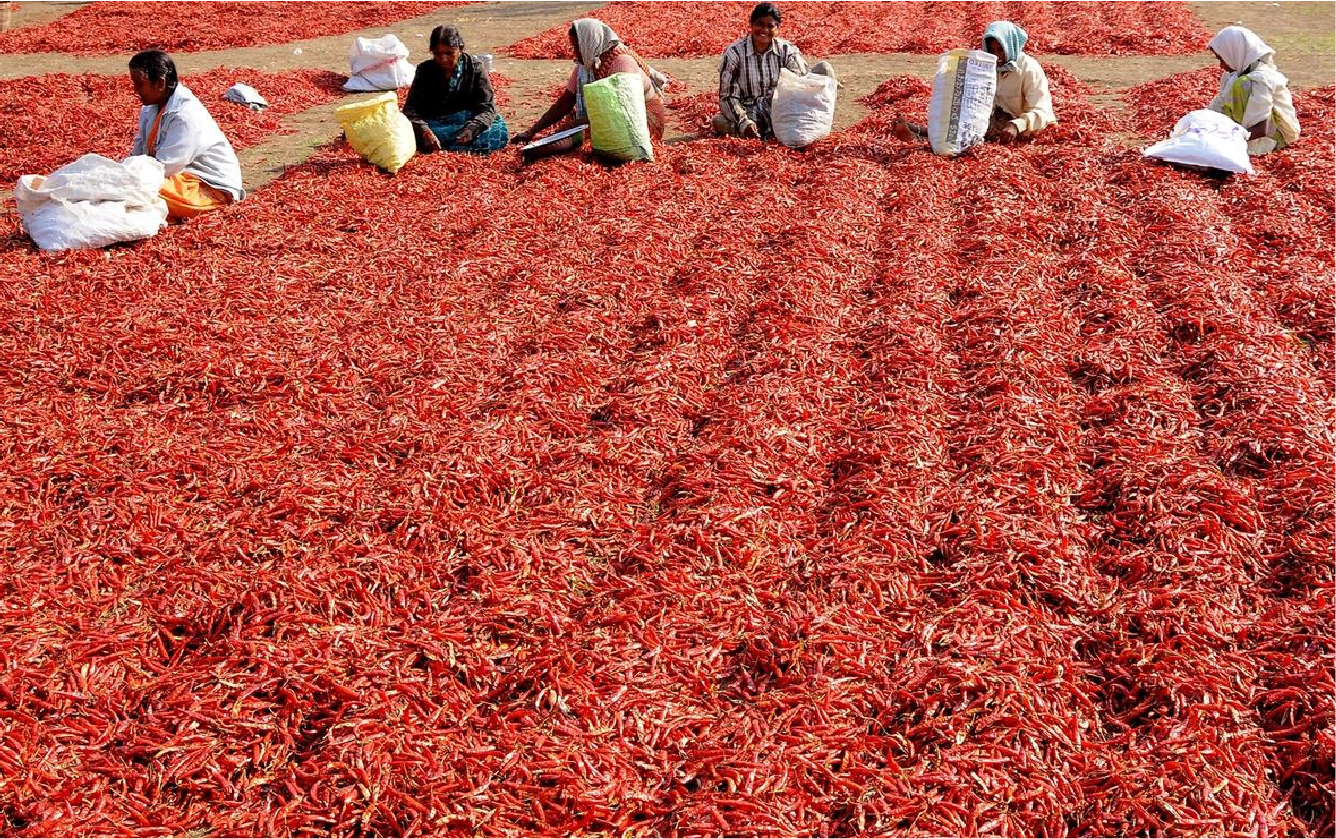
- Immediate Post-Harvest Handling: Quick drying prevents mold and preserves color.
Quality at Source:
Before chillies leave the farm:
- Visual inspection for pest damage, disease, uniform color.
- Over ripe pods (dark colour, degraded walls)
- Pest-damaged chillies
- Mixed varieties in single batches
- Improperly dried chillies
These rejected batches go to commodity markets. Only the top 60-70% of each farm’s harvest meets our standards.
Stage 3: Processing (Where Tradition Meets Technology)
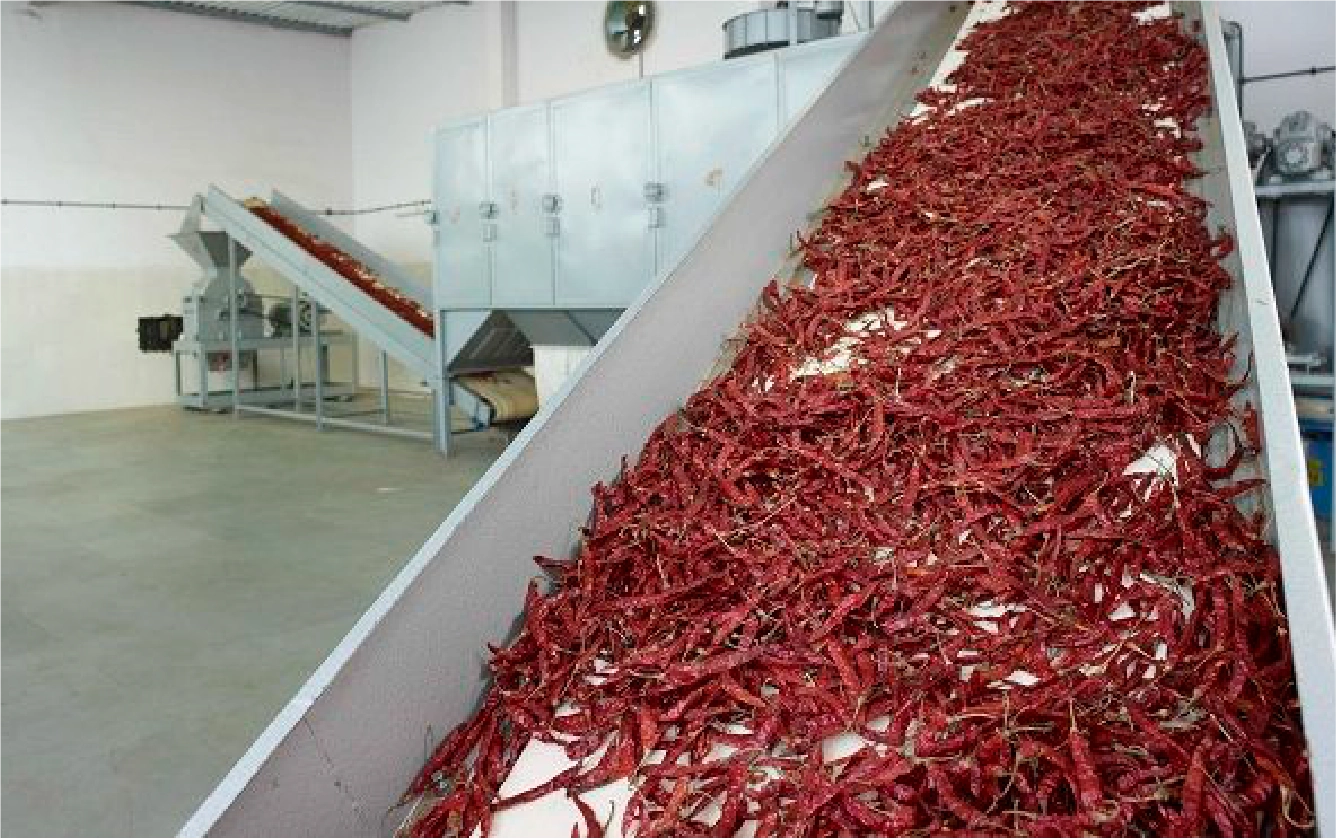
Our Guntur facility combines time-honoured colour, time-honoured methods with modern precision.
Initial Processing:
Cleaning:
- Multiple-stage cleaning removes stems, debris, time-honoured matter, and foreign matter.
- Air separation removes lightweight inferior pods.
- Density sorting separates premium specimens pods
Quality Segregation:
- Colour sorting: Vibrant vs. faded.
- Size sorting: Uniform grinding.
- Final inspection: Human oversight for quality assurance.
The Grinding Process:
This is where art and science intersect:
Temperature Control:
- Critical factor in preserving essential oils.
- Our mills maintain optimal temperature range.
- Prevents heat damage to capsaicinoids and pigments.
Particle Size Consistency:
- Multiple grinding stages achieve uniform texture.
- Fine mesh screening ensures consistent particle distribution.
- Important for professional applications requiring specific textures.
Traditional Elements:
- Stone grinding for selected premium batches
- Slower process preserves more natural oils.
- Maintains authentic flavour and texture.
Modern Precision:
- Computer-monitored grinding parameters.
- Consistent blade sharpness through regular maintenance.
- Automated temperature alerts.
Stage 4: Laboratory Testing (The Quality Gate)
No batch leaves our facility without rigorous testing.
In-House Laboratory Capabilities:
We invested significantly in our own testing facility:
- SHU Analysis: High-performance liquid chromatography (HPLC)
- ASTA Color Flavour Colour Testing: Spectrophotometry for precise colour measurement.
- Moisture Analysis: Prevents degradation during storage.
- Microbial Testing: Ensures food safety standards.
- Pesticide Residue Screening: Meets export requirements
Third-Party Verification:
For export shipments and special requirements:
- Accredited external laboratories.
- International standard compliance (FDA, EU, etc.)
- Certificates of Analysis (CoA) provided with documentation.
Testing Frequency:
- Every production batch tested before packaging.
- Random re-testing of packaged products.
- Quarterly audits by external agencies.
- Annual comprehensive facility certification.
Out-of-Specification Handling:
If a batch doesn’t meet standards:
- Immediate hold on inventory.
- Root cause analysis.
- Corrective action (reprocessing if possible, rejection if not).
- Communication with affected customers.
- Process improvement implementation
We reject approximately 5-8% of processed batches. These don’t reach customers—they’re sold to non-premium markets or used for non-food applications.
Stage 5: Packaging (Preserving Quality)
Proper packaging maintains quality from facility to end-use.
Packaging Technology:
Food-Grade Materials:
- Multi-layer laminated pouches.
- Moisture barrier properties.
- Light-blocking capabilities.
- Puncture-resistant.
Sealing Process:
- Heat sealing for airtight closure.
- Quality checks on seal integrity.
- Tamper-evident features.
Labeling:
- Batch number for traceability.
- Manufacturing and expiry dates.
- Storage instructions.
- SHU and ASTA specifications (for B2B)
Size Options:
Different customers have different needs:
- Retail: 20 g, 100 g, 250 g for home use.
- Restaurant: 250 g, 500 g, 1 kg for commercial kitchens.
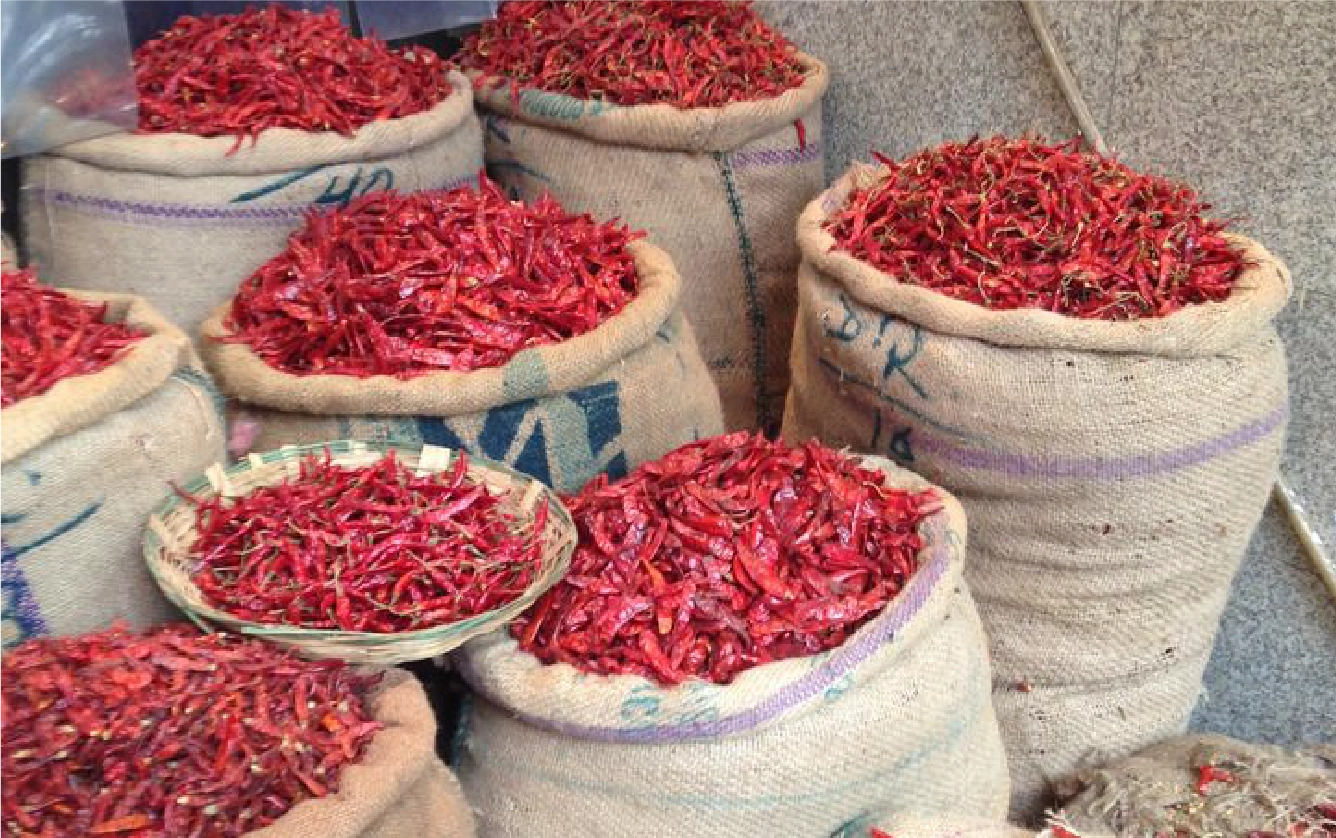
- Manufacturing: 1 kg, 2 kg, 5 kg, 25 kg, and bulk bags for production facilities.
Bulk Packaging:
For large orders:
- Food-grade HDPE bags.
- Inner linings for extra protection.
- Palletised 25 kg and palletised for efficient shipping.
- Documentation included in each shipment
Stage 6: Storage and Logistics (Maintaining Integrity)
Quality preservation doesn’t end with packaging
Warehouse Management:
Climate Control:
- Temperature: 15-25°C optimal range
- Humidity: Below 60% to prevent moisture absorption
- Air circulation: Prevents hotspots
FIFO System:
- First In, First Out (FIFO) inventory rotation, palletised.
- Ensures the freshest product ships first (First Out).
- Digital tracking system
Pest Management:
- Regular facility treatment
- No chemical treatments near product
- Physical barriers and monitoring
Quality Monitoring:
- Monthly random testing of stored products
- Visual inspections for packaging integrity
- Smell and colour checks for signs of degradation.
Shipping Standards:
Domestic Shipments:
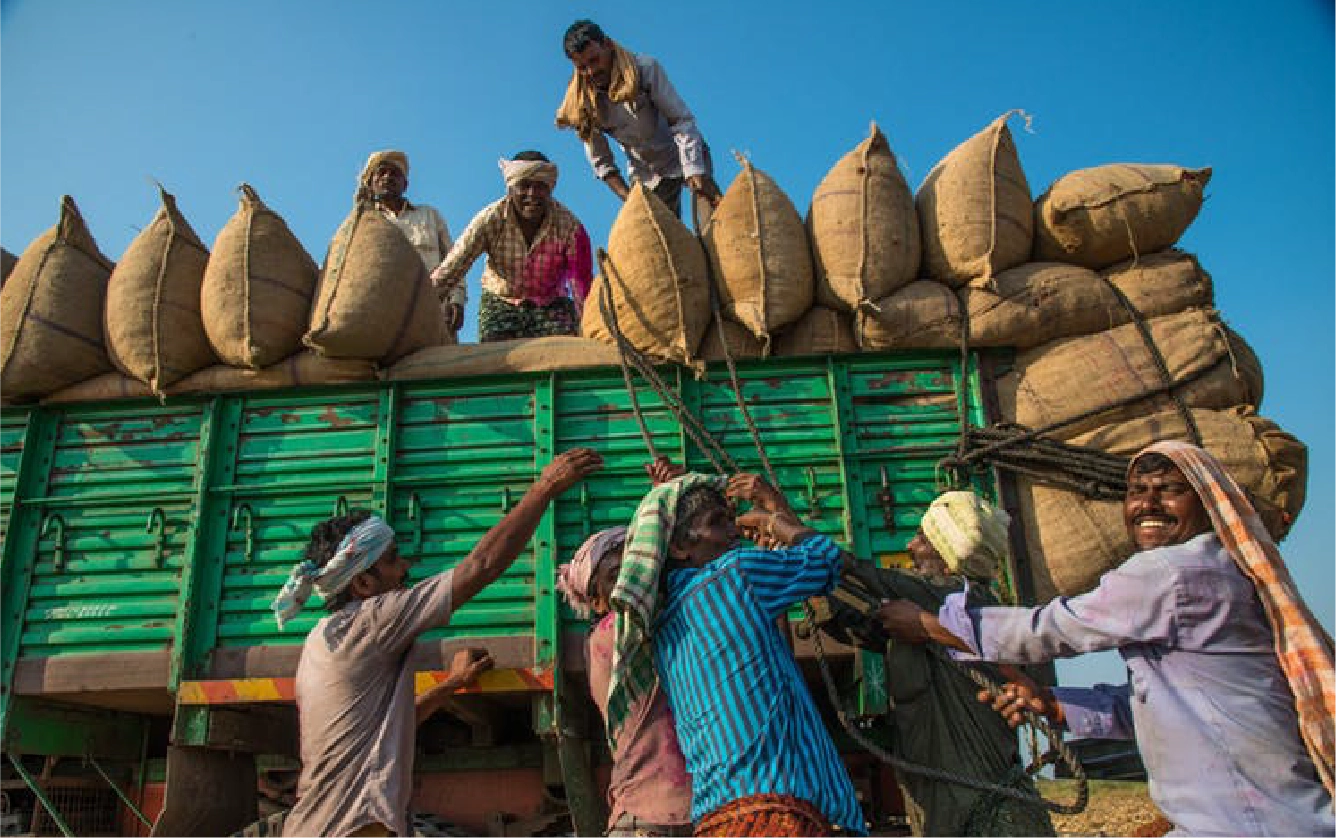
- Trucks with covered cargo areas
- Avoid monsoon season delays when possible
- Real-time tracking for larger orders
Export Shipments:
- Container selection based on destination climate
- Documentation packages ready at time of shipping
- Insurance coverage for high-value orders
- Compliance with importing country requirements
Stage 7: Customer Delivery (Closing the Loop)
Our commitment extends beyond the sale.
Order Fulfillment :
- Same-day processing for stock items.
- Clear communication on lead times for custom orders.
- Proactive updates on shipment status.
Documentation:
- Every shipment includes Invoice and packing list.
- Certificate of Analysis.
- MSDS (Material Safety Data Sheet)
- Storage and handling instructions
- Batch traceability information
Customer Support:
- Technical guidance on usage.
- Troubleshooting assistance
- Feedback collection for continuous improvement.
After-Sales Service:
- Quality guarantee with replacement policy.
- Regular check-ins with bulk customers
- Advance notice of harvest timing for planning
Continuous Improvement
Quality isn’t static—it evolves.
Annual Initiatives:
- Farmer training workshops
- Processing equipment upgrades.
- Laboratory capability expansion
- Staff quality education
- Customer feedback integration
Certifications and Audits:
- Regular third-party facility audits.
- Compliance with international standards
- Organic certification for select products
- Export licenseFulfilment:licence maintenance
Innovation Investment:
- Exploring new varietals.
- Testing sustainable packaging alternatives.
- Improving traceability through technology
- Developing value-added products
Why This Matters to You
Whether you’re:
- A home chef seeking consistent flavor in every creation.
- A restaurant requiring reliable supply
- A manufacturer needing documented specifications
- An exporter demanding compliance-ready products
Our comprehensive quality journey means you receive chilli powder you can trust—every single time
Transparency as a Competitive Advantage.
In an industry where many suppliers are opaque about their processes, we believe transparency builds trust. That’s why:
- Customers can visit our facility with advance notice.
- We openly share our testing protocols.
- Documentation is provided proactively.
- Questions are always welcomed and answered honestly.
Experience the difference that comprehensive quality control makes. Contact us to discuss how our process ensures your specific requirements are met with every order.